Alexa Alice Joubin

race & gender

Performativity and Trans Literature

Performativity and Trans Literature

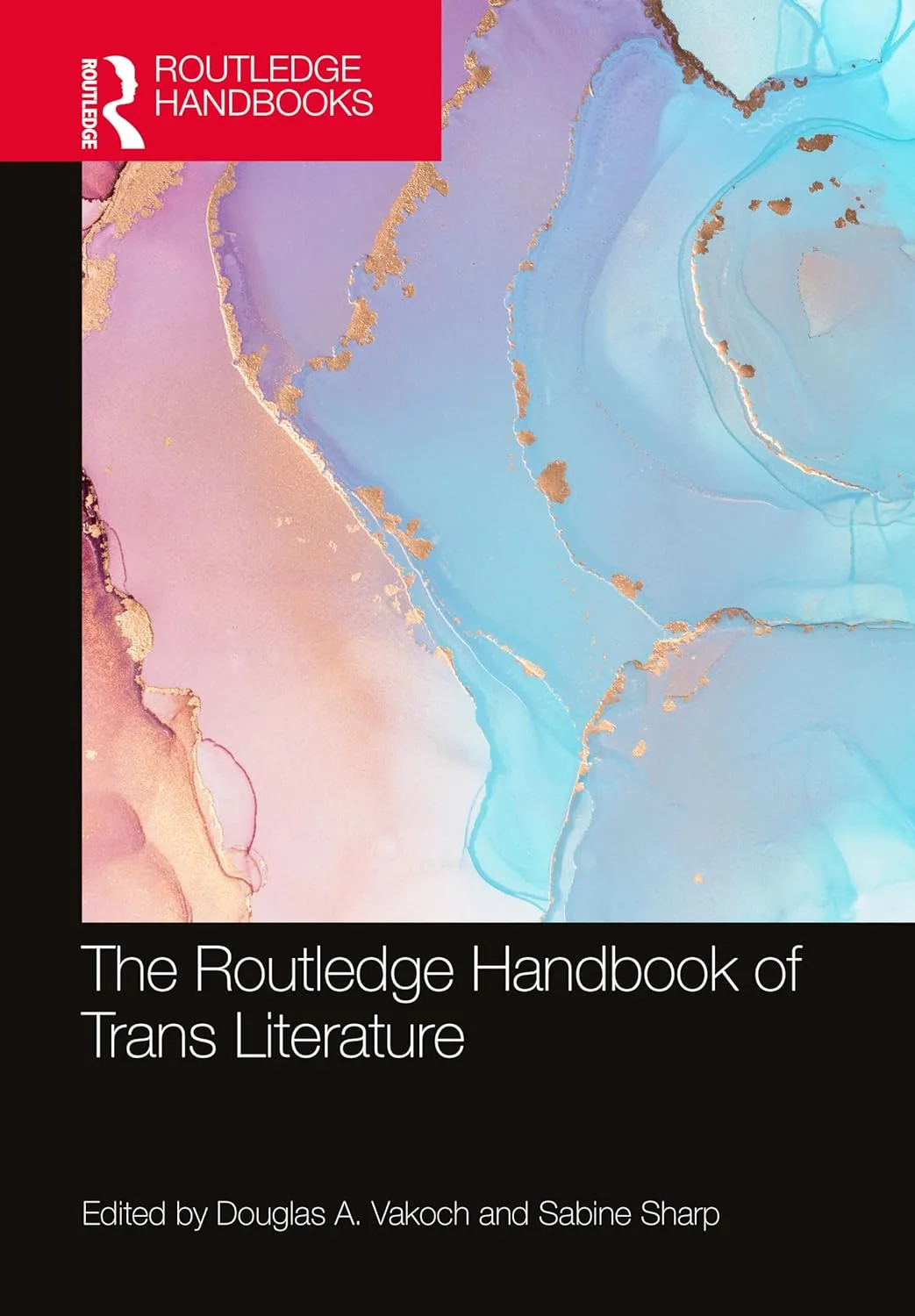
The Routledge Handbook of Trans Literature , ed. Douglas A. Vakoch and Sabine Sharp (2024), 29-39

Performativity—how language tacitly or overtly affects social actions—is the core of all utterances and imaginative literature. This chapter examines transness in what might be called body-swap narratives, including Virginia Woolf’s Orlando and Sally Potter’s film adaptation of it, Makoto Shinkai’s film Your Name , the Wachowski Sisters’ Matrix trilogy, as well as Shakespeare’s Twelfth Night and Trevor Nunn’s and Andy Fickman’s film versions of the comedy. Joubin’s theory of performativity hinges on the ideas that gender are social practices and interpersonal relationships that evolve over time and in different social spaces and that these practices are constituted, and sometimes undermined, by performative speech acts. Performativity destabilizes the idea of singularity and the perceived absolutism of such signifiers as gender.
DOIFULL TEXT

Trans Studies at the Crossroad: From Racialized Invisibility to Gendered Legibility

The Oxford Handbook of Shakespeare and Race , ed. Patricia Akhimie (Oxford University Press, 2024), pp. 195-211. This chapter argues that race and gender are social practices that evolve over time, in each other’s presence, and in different social spaces. Bringing critical race theory and trans studies together, this chapter examines racial and gendered otherness through case studies of performances of Shakespeare’s plays. To correct the early modern studies’ tendency to privilege narrative texts, this chapter uses global and performance studies methods—as critical tools that are designed to capture transformative cultural practices—to highlight embodied significations of transness. The chapter concludes with a reflection on pedagogical implications of multidisciplinarity. Providing critical tools to understand atypical bodies, trans studies solidifies critical race studies’ support of minority life experiences.

FULL TEXTOxford website

Teaching Shakespeare in a Time of Hate

Shakespeare Survey 74 (2021): 15-29 ( open access ) Co-authored by Alexa Alice Joubin and Lisa S. Starks , this article examines new theories and praxis of listening for silenced voices and of telling compelling stories that make us human. We draw on Emmanuel Levinas’s philosophy about the Other to design classroom practices for in-person and remote instruction that foster collaborative knowledge building and intersectional pedagogy. The moral agency that comes with the cultivation of ethical treatment of one another can lead to political advocacy. Special attention is given to race, gender, and the exigencies of social justice and remote learning in the era of the global pandemic. The new normal in higher education, which is emerging at the time of writing, exposes inequities that were previously veiled by on-campus life and resources. Even as they are cause for grief and anxiety, the inequities exposed by COVID-19 can spur change for the better.

FULL TEXTBUY

Trans as Method

Trans as Method

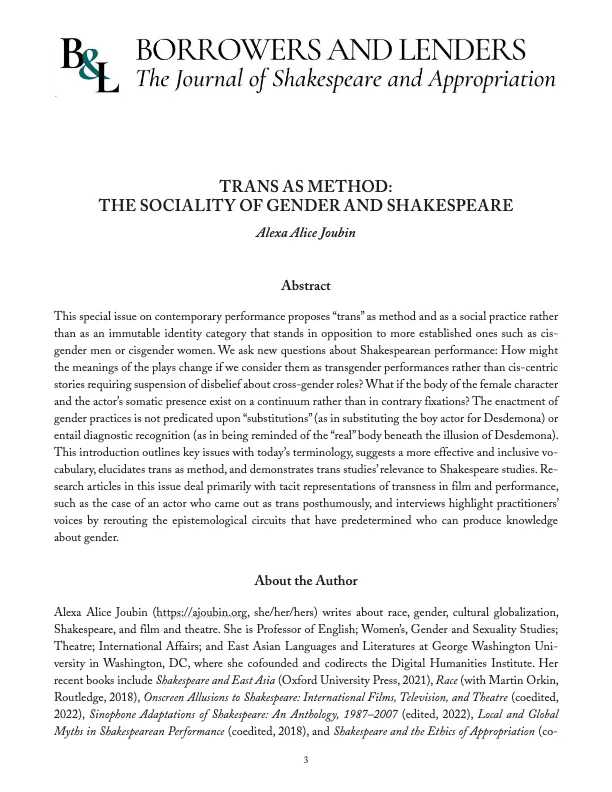
Borrowers and Lenders: The Journal of Shakespeare and Appropriation 14.2 (2023). Open Access. This article proposes “trans” as method and as a social practice rather than as an immutable identity category that stands in opposition to more established ones such as cis-gender men or cisgender women. In Shakespeare’s times, the enactment of gender practices is not predicated upon “substitutions” (as in substituting the boy actor for Desdemona, for instance) or entail diagnostic recognition (as in being reminded of the “real” body beneath the illusion of Ophelia or Desdemona). This article outlines key issues with today’s terminology, suggests a more effective and inclusive vocabulary, elucidates trans as method, and demonstrates trans studies’ relevance to Shakespeare studies.

Full TextOpen-Access Journal

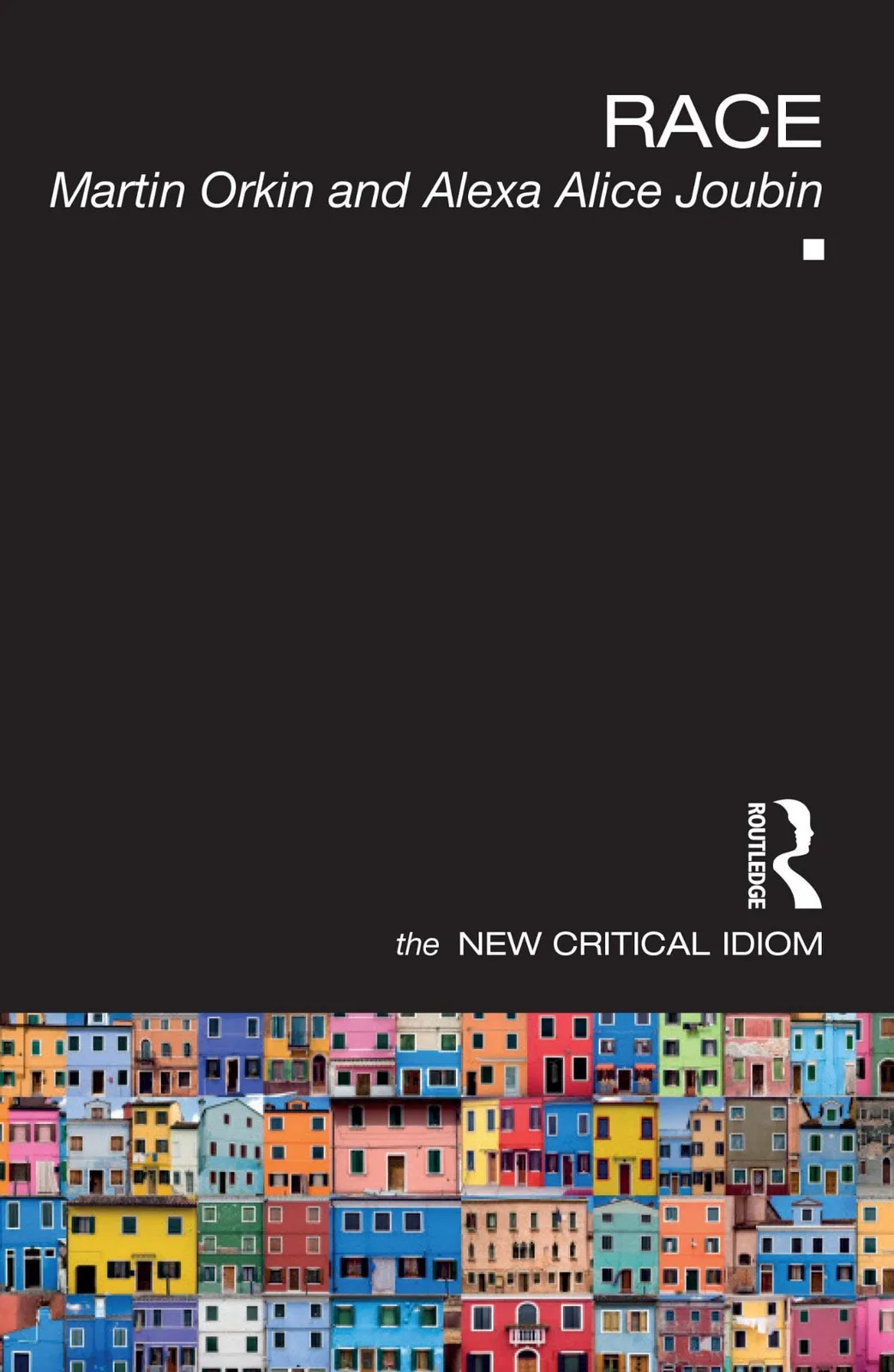
Race by Martin Orkin and Alexa Alice Joubin

Routledge New Critical Idiom Series, 2019 A study of ideas related to race throughout history. This book provides readers with an expansive, global understanding of the term from the classical period onwards: Intersections of Race and Gender Race and Social Theory Identity Ethnicity, and Immigration Legislative and Judicial Markings of Difference South Africa, Israel, East Asia, Asian America Blackness in a Global Context Race in the History of Science Critical Race Theory

SAMPLE CHAPTERBUY

Contemporary Transgender Performance of Shakespeare

Contemporary Transgender Performance of Shakespeare

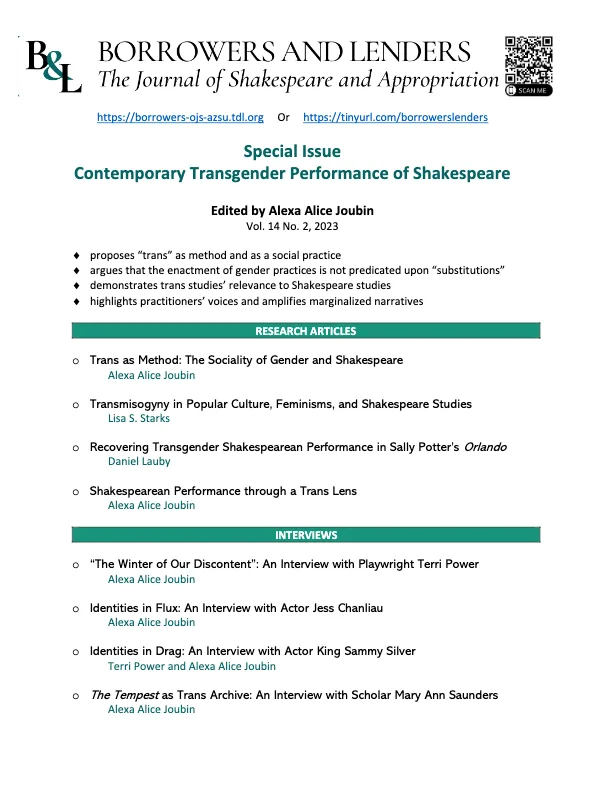
Special Issue of Borrowers and Lenders: The Journal of Shakespeare and Appropriation 14.2 (2023), edited by Alexa Alice Joubin Cross-gender roles in Shakespeare have been misunderstood as “cross-dressing.” The enactment of gender practices is not predicated upon “substitutions” (as in substituting the boy actor for Desdemona). It does not entail diagnostic recognition (as in being reminded of the “real” body beneath the illusion of Desdemona). The special issue — proposes “trans” as method and as a social practice argues that the enactment of gender practices is not predicated upon “substitutions” demonstrates trans studies’ relevance to Shakespeare studies highlights artists’ and practitioners’ voices and amplifies marginalized narratives

IntroductionOpen Access Journal